Three Main Types of Connectors: Differences and Applications in Automotive & Industrial Fields
Connectors are essential components for establishing stable electrical connections in electronic systems, and they are widely used in automotive electronics, industrial automation, and consumer electronics. According to connection modes, general connectors are mainly divided into three categories: wire-to-board connectors, board-to-board connectors, and wire-to-wire connectors. Each type has unique structural characteristics and application scenarios, playing an irreplaceable role in different electronic systems.
1 Wire-to-Board Connectors: The "Bridge" Between Wires and Circuit Boards
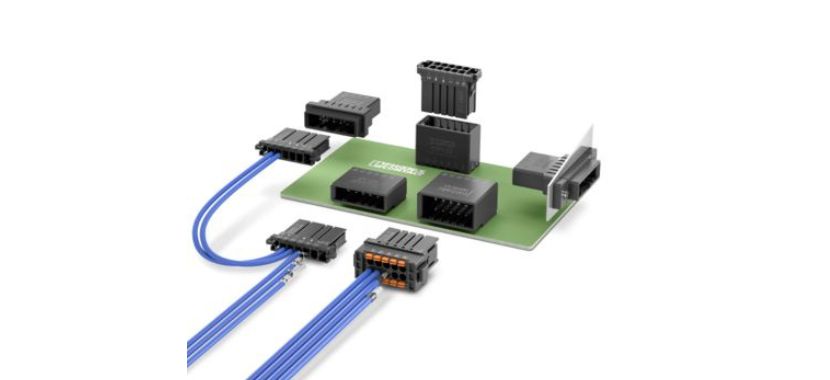
Known as the "ancestor of all connectors", wire-to-board connectors serve as the core link for connecting wires or wire harnesses to printed circuit boards (PCBs).
 shadow-2xl transition-all duration-300 mb-6 border border-gray-200">
Key Features:
- • High mechanical strength and shock resistance
- • Electromagnetic shielding capabilities
- • Dual power and signal transmission
- • Classified by pin pitch and current capacity
In automotive electronic systems, wire-to-board connectors show excellent performance. They are designed with high mechanical strength and shock resistance, which can maintain stable connections even under the continuous vibration of vehicle operation, ensuring that signal and power transmission are not interrupted.
In response to the complex electromagnetic environment inside the vehicle, some high-end models are equipped with electromagnetic shielding functions, which can effectively resist external electromagnetic interference and improve signal transmission accuracy. Beyond automotive applications, wire-to-board connectors are also widely used in commercial electronic equipment, household appliances, and auxiliary circuits of general industrial and commercial fields.
2 Board-to-Board Connectors: The "High-Speed Channel" for Inter-Board Connections
As the connector type with the strongest transmission capacity at present, board-to-board connectors excel in high integration and high-speed transmission performance.
Pin Pitch Specifications:
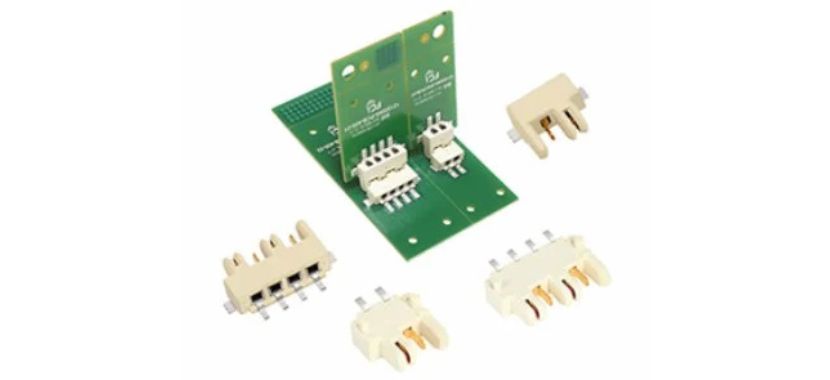
This miniaturized design allows it to integrate a large number of pins in a limited space, perfectly adapting to the development trend of miniaturization and lightweight of automotive electronic products. With the rapid development of automotive electronic technology, the demand for high-speed data transmission in scenarios such as in-vehicle high-definition video transmission and high-speed network communication is increasing.
Application Industries:
3 Wire-to-Wire Connectors: The "Link" for Wire Harness Connections
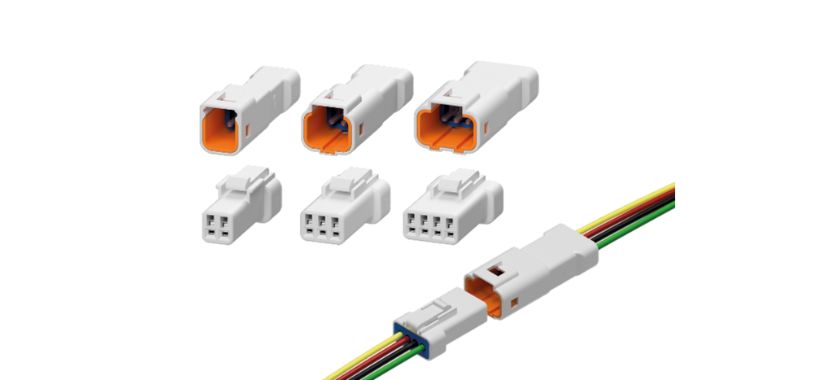
Wire-to-wire connectors are dedicated to connecting two or more wires or wire bundles, serving as an indispensable core component of automotive wiring systems.
Core Performance Indicators:
Automobiles often operate in complex and variable environments, and connectors are prone to erosion by water and dust, as well as interference from mechanical vibration. To solve these problems, most wire-to-wire connectors adopt a sealed structural design, with rubber sealing rings and other components to prevent water and dust from entering the interior, thus ensuring the long-term reliability of the connection.
Connection Technologies:
IDC (Insulation Displacement Connection) technology is commonly used in fixed connections, characterized by permanent connection between single wires or corresponding leads of two cables.
Connection forms include wire-to-cable and cable-to-cable connections.
Comparison Overview
| Connector Type | Primary Function | Key Advantages | Main Applications |
|---|---|---|---|
| Wire-to-Board | Connect wires to PCBs | High mechanical strength, EMI shielding | Automotive electronics, appliances |
| Board-to-Board | Connect PCBs directly | High-speed transmission, miniaturization | Communication systems, medical devices |
| Wire-to-Wire | Connect wire harnesses | Environmental sealing, reliability | Automotive wiring, industrial machinery |
Conclusion
Wire-to-board, board-to-board, and wire-to-wire connectors each undertake different connection tasks in automotive electrical systems, and their performance directly affects the overall stability and safety of the vehicle. With the continuous upgrading of automotive and industrial electronic technologies, the industry's requirements for connectors are moving towards smaller sizes, higher transmission efficiency, and stronger reliability.
About HXHconnector:
As a leading manufacturer with over 30 years of experience, HXHconnector specializes in producing high-quality connectors for automotive, industrial, and consumer electronics applications. Our comprehensive range includes all three connector types discussed in this article, manufactured to the highest international standards.